
What we can decide
We decide disputes about illegal content on social media and content sharing platforms, whether the content was removed or left up. This page sets out the types of content we cover, the platforms we cover, and what we cannot help with.
If you are unsure after reading it, use the eligibility check. It takes two minutes and costs nothing.
Content we can decide on
We use the European Commission’s categories of illegal content. Below is what each one means in practice, with examples of the kinds of case we take.

Privacy and personal data
Examples
- Your home address, phone number or medical information posted without your consent
- Your personal data used without any lawful basis for doing so
- Content you have asked a platform to remove under the right to be forgotten
- False or altered information about you presented as fact
- Biometric data used or shared without consent
- Other breaches of data protection law

Defamation, hate speech and threats
Examples
- False statements about you that damage your reputation
- Content attacking you because of your race, religion, disability, sexuality, gender or another protected characteristic
- Threats of violence against you or a group you belong to
- Holocaust denial

Copyright and intellectual property
Examples
- Your photographs, writing, music or video used without permission
- Counterfeit goods sold or advertised using your brand
- Trademark, design or patent infringement
- Trade secrets published without authorisation
- Unauthorised streams of sports events
- Misuse of a protected geographical indication

Non-consensual images, deepfakes and doxing
Examples
- Intimate images of you shared without your consent
- Deepfakes or other synthetic media using your face, voice or likeness
- Your personal details published so that others can find, contact or target you
Elsewhere on this page we say we do not take on pornography and sexualised content. That exclusion does not apply to images of you shared without your consent. If someone has shared intimate images of you, or made synthetic sexual content using your likeness, that is a case we can take.

Bullying, stalking and sexual harassment
Examples
- Sustained targeting, abuse or intimidation directed at you
- Stalking behaviour carried out through a platform
- Sexual harassment
Incitement to violence or hatred
Examples
- Content encouraging violence against a person or group
- Content stirring up hatred against a person or group
Why these categories
These are the areas where our panel has relevant expertise. Most of them map directly to work Impress has been doing since 2016, including cases on privacy, defamation, discrimination, harassment, accuracy and attribution.
Platforms we cover
We are starting with the largest social media and content sharing platforms, and we will add others as we grow.
The European Commission designates the biggest platforms as Very Large Online Platforms, or VLOPs, because they reach at least 45 million average monthly users in the EU. That is roughly 10% of the EU population.

YouTube

TikTok



WhatsApp (channels only)




Tumblr

Quora

Twitch

Vimeo

SoundCloud
If the platform you want to complain about is not shown here, get in touch. We keep this list under review and add platforms as our capacity grows.
Check if we can help with your case →
See the Commission’s full list of designated platforms →
Where you are
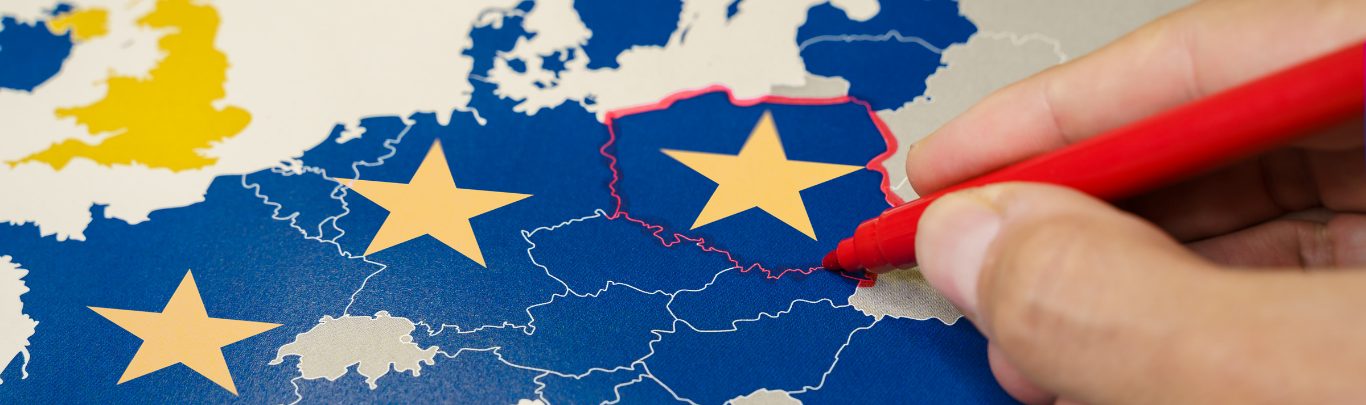
Your case needs a substantial connection to the EU.
Usually that means you live in an EU country. If you live elsewhere, we may still be able to help. A substantial connection could be that:
- you are an EU citizen living temporarily outside the EU, for work or study
- the content was posted by someone in the EU
- the content targets people in the EU, or is aimed at an EU audience
- you own or run a business established in the EU, and the content affects it
- the harm you have experienced happened while you were in the EU
- your case concerns data held or processed in the EU
If you are not sure whether your situation counts, use the eligibility check or get in touch.
Language
We currently work in English, which is one of the official languages of the EU institutions. We will add more languages as the service grows.
If you cannot submit in English, get in touch and we will tell you what is possible.
What we cannot take on
There are cases we cannot take. Where we cannot help, we will tell you why, and point you to somewhere that can.
Content types we do not cover
We do not take on disputes about:
- Animal offences
- Pornography and sexualised content, except where images of you have been shared without your consent, which we do cover
- Content harmful to children
- Risks to public security
- Scams and fraud, except where counterfeit goods infringe intellectual property, which we do cover
- Content encouraging self-harm
- Unauthorised access to a platform or to content
- Unsafe or illegal products
These are outside our scope because they sit outside our panel’s areas of expertise.
Content has to be illegal, not just against the platform’s rules
Platforms remove things for two different reasons. Some content is against the law. Other content is allowed by law but breaks the platform’s own rules on what it will host.
We only take cases about content that is against the law.
If a platform removed your post for breaking its community guidelines, and the content was not illegal, that is outside what we can do. It is worth checking the platform’s decision message, which usually says which reason applied.
Other reasons we may not be able to help
Separately from the type of content, we cannot take your case if:
- it is already before a court, or has been decided by a court
- it is with another out of court dispute settlement body, or one has already decided it
- there is no substantial connection to the EU
We decide on decisions a platform has already made. We strongly recommend reporting the content to the platform and waiting for their decision before you come to us. It gives your case decision maker a decision to rule on, and cases that skip this step are much harder to take forward.
Where to go instead
If we cannot take your case, these are the routes worth trying.

Report it to the platform first
Every platform covered by the Digital Services Act has to give you a way to report illegal content and to appeal a decision. Start there, whatever the content type.

Contact your national Digital Services Coordinator
Every EU country has a regulator responsible for the Digital Services Act. If a platform is not handling reports properly, that is who to tell. In Ireland it is Coimisiún na Meán.

Find the right EU route for your issue
The European Commission publishes guidance on the Digital Services Act, including what platforms must do and where to raise concerns. Read the Commission’s guidance

Take it to the courts
Nothing we do affects your right to go to court, and for some cases that is the right route from the start. Court decisions are enforceable.
Specific support
If content involves a child, or a child is at risk
Report it through your country’s illegal content hotline. INHOPE runs a network of hotlines across the EU. In Ireland, that is Hotline.ie. If a child is in immediate danger, contact the police.
If you are struggling to cope or thinking about harming yourself
Please talk to someone. Your GP, a mental health service, or a support helpline can all help, and support helplines operate in every EU country. If you are in immediate danger, contact emergency services.
If you have been scammed or defrauded
Report it to the police and to your bank. For cross-border consumer problems within the EU, the European Consumer Centres Network can help.
If a product you bought is unsafe
Report it to your national market surveillance authority. The EU also runs Safety Gate, its rapid alert system for dangerous products.
Still not sure?
Most people are not certain after reading a list like this, and that is normal. The eligibility check asks a few questions about your case and tells you whether we can take it. It takes about two minutes, and there is no obligation to go any further.
Read the full admissibility rules in our Rules of Procedure →